
A Spreadsheet is a shop window you browse by category
Not a document, not a file, and nothing you download. It is a site full of product cards, grouped the way a shop groups things, each card carrying a picture and a link through to the listing behind it. This page covers what that is, what the agent does with a link taken from it, and why the card you pick matters long after you have forgotten picking it.
Both routes land in the same place: a listing, and a link you can hand to an agent.
Sixteen ways in
Pick a category, open a card, take the link
Each card below opens a category of products. Nothing here is sold by this site and nothing is sold by the agent either: what you are looking at are listings from Chinese marketplaces, gathered into categories so that browsing them is possible at all.
16 categories
No category matches. Try a broader word or clear the filter.
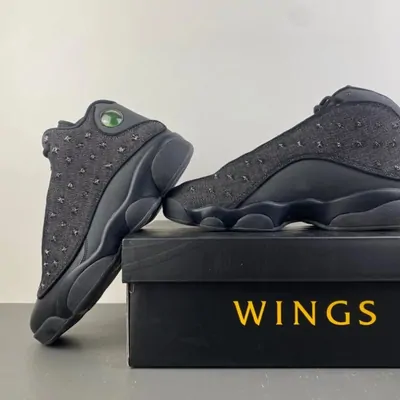 SneakersThe size on the label is read. A scuff is not large-area damage.
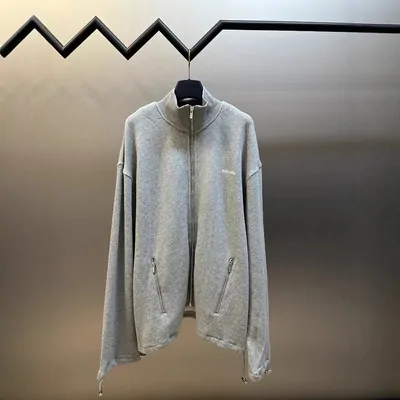 Jackets & CoatsCut and length are measured by nobody. Get the chart before you order.
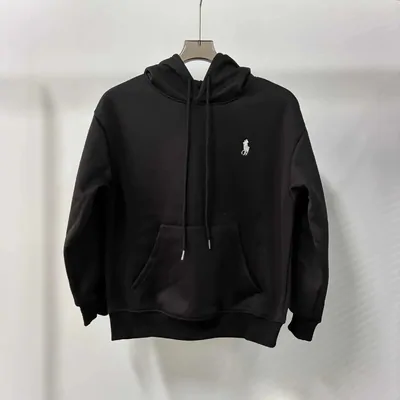 HoodiesDye lots move between batches, and slight colour difference is outside the scope.
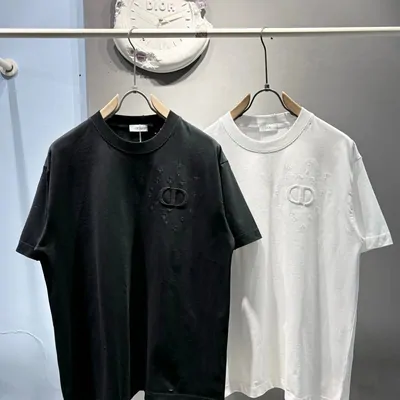 T-ShirtsPrint placement is not one of the six lines. Ask for a flat-laid shot.
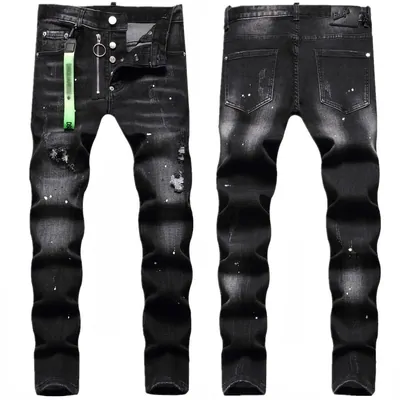 JeansActual size deviation is named as outside. Waist and inseam are on you.
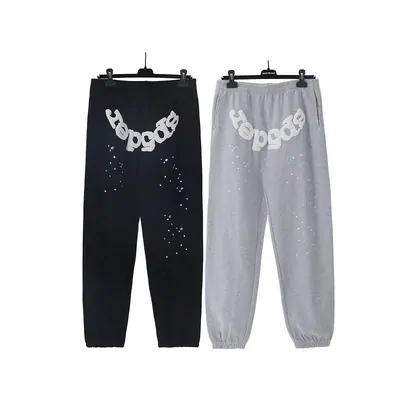 SweatpantsDrawcords, cuffs and pocket bags appear only if you ask for them.
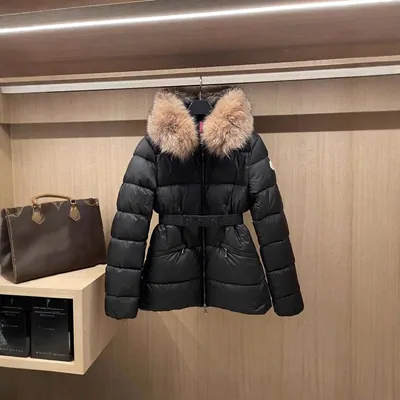 WomenswearSold-as size is read off the label. The finished measurement is not.
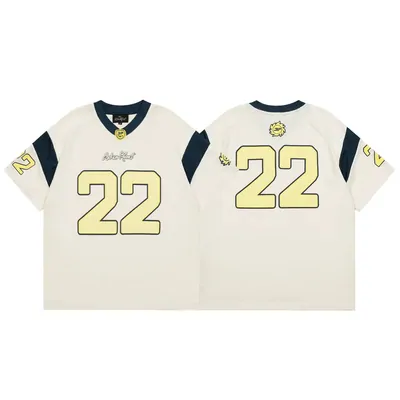 JerseysSeason, badge and sponsor are version questions. Name the year you ordered.
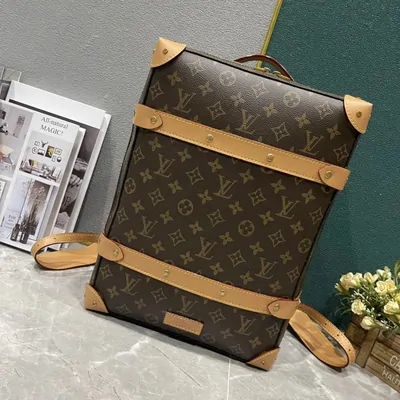 BagsHardware, lining and stitching are detail, and detail is not large-area damage.
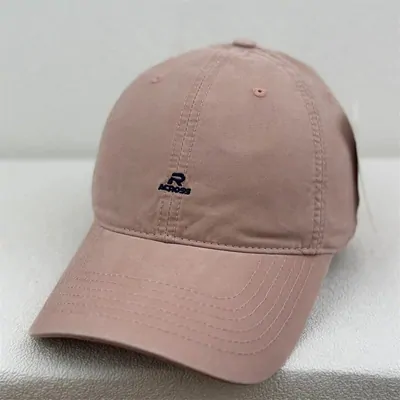 HatsStains are inside the scope, and a pale crown is where they show first.
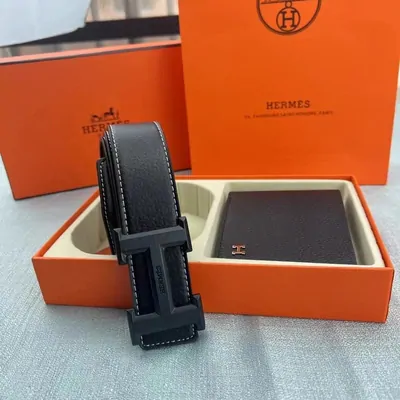 BeltsBuckle finish and the stamped length are what a photograph can settle.
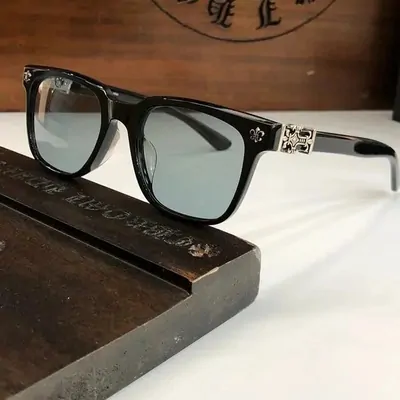 EyewearA hairline scratch across a lens does not count as large-area damage.
 PerfumeSeal, batch code and fill level. Nothing is opened, and nothing is sprayed.
 JewelleryPlating tone reads differently under warehouse lighting than on a listing.
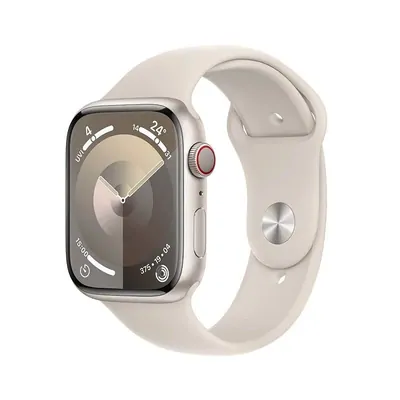 WatchesThe reference number is read. Whether it runs is not tested.
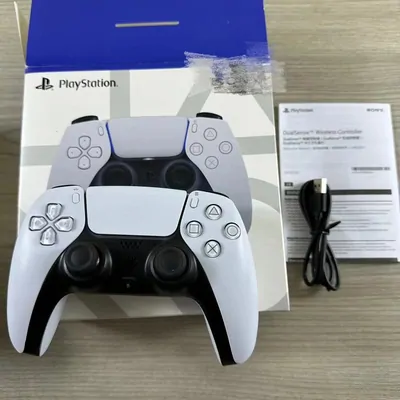 ElectronicsAppearance only. No power-on test, and accessories are not counted.
What happens to a link after you hand it over
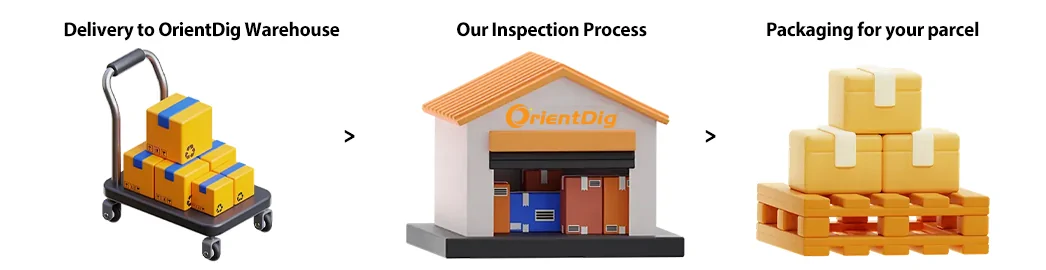
OrientDig is a shopping agent. That is a narrower job than it sounds. It acts on your behalf to buy an item you have already chosen from a seller you have already chosen, receives that item into a warehouse in China, photographs it, and forwards it to your country.
What it is not is the seller. It did not make the item, it did not list it, it did not write the description and it has no relationship with the factory. Nearly every limit described elsewhere on this site follows from that one fact, including the order form note saying the service can find the seller behind a link but cannot judge the quality or authenticity of what that seller ships.
Which puts a surprising amount of weight on the step you are reading about now. The agent executes your choice faithfully. It does not improve it.
Four things your choice at this stage settles for good
None of these are visible while browsing, and all four are fixed the moment you paste the link.
- Seller
Who is actually on the other end
Everything downstream that involves a judgement call, from whether a return is accepted to whether the colour counts as slightly different, is decided by the seller behind the listing you picked.
- Category
Which rulebook the item falls under
Return standards are written per category, and several of them are strict. Sneakers keep their security tag. Cosmetics keep their seal. Books stay wrapped.
- Mailability
Whether it can leave the country at all
The warehouse listing carries a mail restriction class. Some goods simply do not travel, and finding that out at the warehouse is much more expensive than finding it out here.
- Inspectability
How much of it a few seconds can reach
An appearance check tells you a great deal about a hoodie and very little about a hard drive. Choosing an item is also choosing how much you will know before you pay for shipping.
Two sites, not one
Which site does what
Two different sites are involved and they are easy to confuse, because the product you are looking at is the same product on both.
| Step | Where it happens | What is yours to do |
|---|---|---|
| Browsing and discovery | A Spreadsheet site, organised by category. | Look, compare, and decide. This is the only step where changing your mind is free. |
| Taking the link | The listing on the marketplace the card points to. | Check the listing itself, not only the card: the seller, the options, the stated size. |
| Ordering and paying | The agent site. | Paste the link, set colour and size, pay the first bill. |
| Inspection and photographs | The agent warehouse. | Read the photographs while the goods are still on the listing. |
| Shipping and delivery | The agent again, then a courier. | Pay the second bill, then inspect before you sign. |
If you have only ever used a normal shop, the split is the confusing part. There is no single company running all five rows, which is why nobody at any of them can answer a question about a different row.
Questions from people arriving here first
So what is a Spreadsheet, in one sentence?
A site where products other shoppers have already bought are sorted into categories, each one shown as a card with a picture and a link through to the listing it came from. You browse by category, you open a card, you take the link.
Do I buy anything on the Spreadsheet site itself?
No. Nothing is sold there and no money changes hands there. It is where you find the listing. The buying happens on the agent site, where you paste the link you took.
Does the category I browse change what happens later?
More than people expect. Category decides which return standard applies to the item, whether it can be mailed at all, and how much of it an appearance check can reach. A pair of sneakers and a camera travel very different routes from the same starting point.
OrientDig is the agent. What is it exactly?
OrientDig is a shopping agent: it acts on your behalf, buys the item from the seller you picked, receives it into its own warehouse, photographs it and forwards it to you. It is not the seller and it is not the manufacturer, which is why several of the limits described on this site exist at all.