
OrientDig Spreadsheet: inspect before you ship
Find a product, understand what warehouse inspection covers, and know which details to check in your QC photos.
Sixteen browsable categories sit directly below if you would rather look around than name a thing.
Start browsing
Browse finds, then check the details
Choose a category to explore. The inspection guides below explain what to look for before approving your warehouse photos.
16 categories
No category matches. Try a broader word or clear the filter.
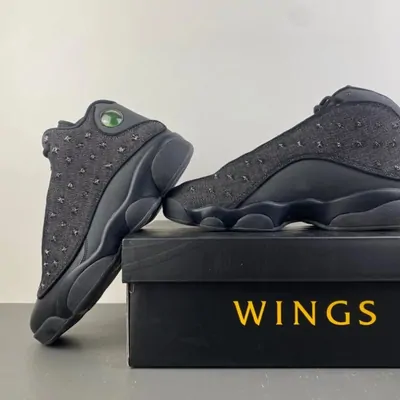 SneakersThe size on the label is read. A scuff is not large-area damage.
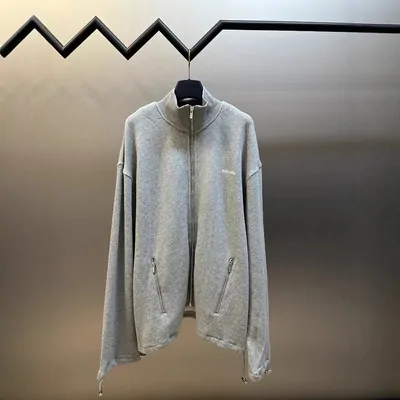 Jackets & CoatsCut and length are measured by nobody. Get the chart before you order.
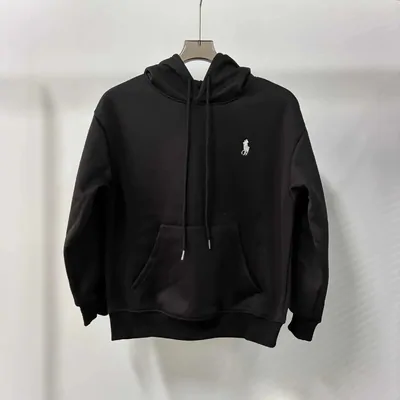 HoodiesDye lots move between batches, and slight colour difference is outside the scope.
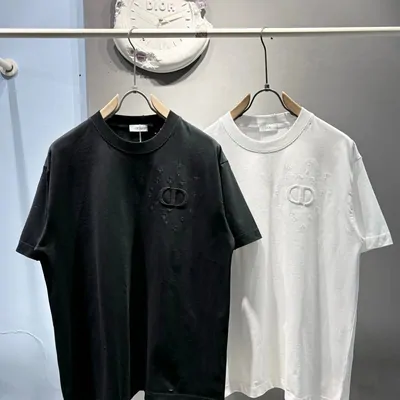 T-ShirtsPrint placement is not one of the six lines. Ask for a flat-laid shot.
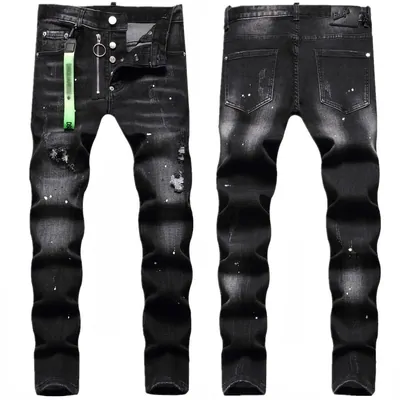 JeansActual size deviation is named as outside. Waist and inseam are on you.
 SweatpantsDrawcords, cuffs and pocket bags appear only if you ask for them.
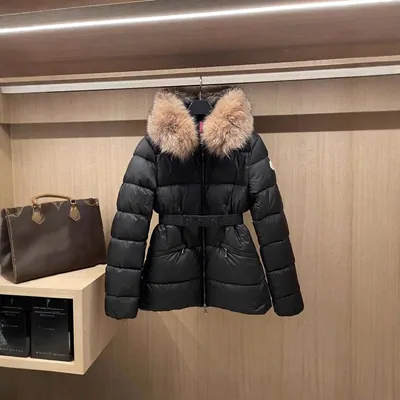 WomenswearSold-as size is read off the label. The finished measurement is not.
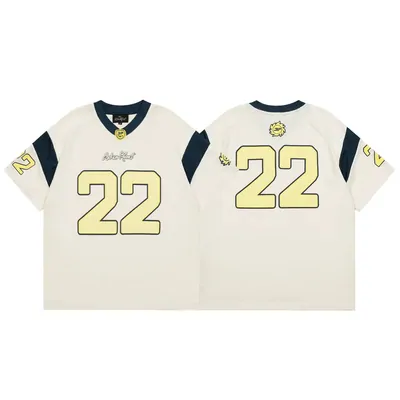 JerseysSeason, badge and sponsor are version questions. Name the year you ordered.
 BagsHardware, lining and stitching are detail, and detail is not large-area damage.
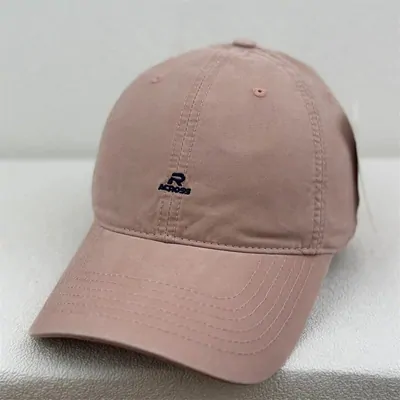 HatsStains are inside the scope, and a pale crown is where they show first.
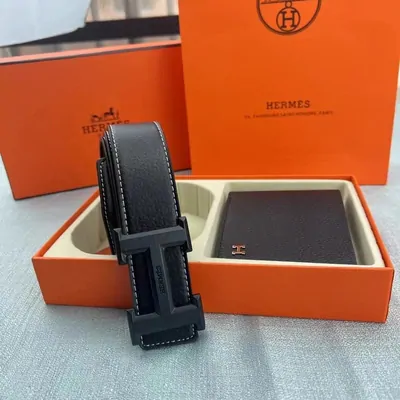 BeltsBuckle finish and the stamped length are what a photograph can settle.
 EyewearA hairline scratch across a lens does not count as large-area damage.
 PerfumeSeal, batch code and fill level. Nothing is opened, and nothing is sprayed.
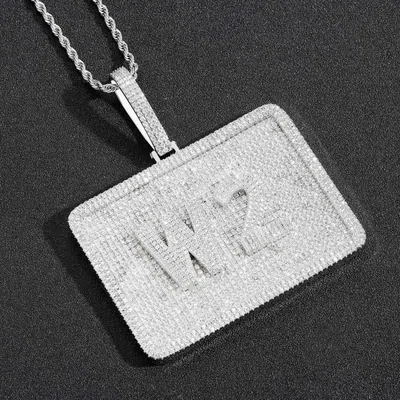 JewelleryPlating tone reads differently under warehouse lighting than on a listing.
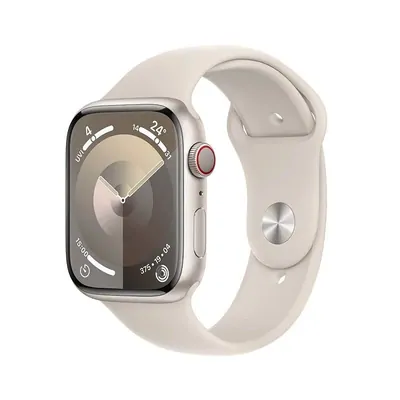 WatchesThe reference number is read. Whether it runs is not tested.
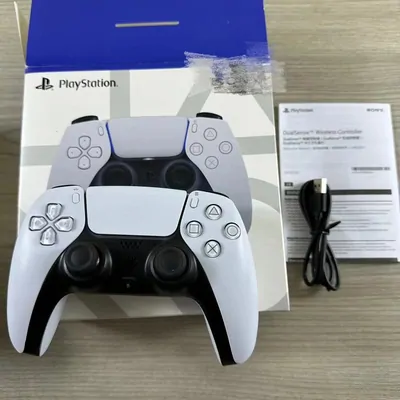 ElectronicsAppearance only. No power-on test, and accessories are not counted.
What a Spreadsheet actually is, and how these sixteen categories are drawn
Six moments decide how an order ends, and you are present for three

A purchase runs through six moments. The seller ships to the warehouse. Staff log the parcel in. An inspector gives it a look and photographs it. You either react or you do not. The parcel is packed and flown out. You sign for it.
Three of those six are yours: reading the photos, deciding whether to act while the return route is still open, and what you do in the first hours after delivery. The other three happen whether you are paying attention or not, and none of them is designed to stop and wait for you.
The pages below follow that order. If you already know where you are, the four starting points under the categories will drop you straight into the right one.
A basic appearance check, and two exclusions that are easy to miss
The published scope is a basic appearance check: colour, large-area damage, stains, size, model and version number. That is a real check and it catches real problems, mostly the loud ones.
Two things are written out of it on purpose. Slight colour difference is excluded. Actual size deviation is excluded. Those two are the most common complaints about online clothing, which means the most common complaint is also the one the check will never raise. Electronics are looked at from the outside only, with no power-on test and no count of what is in the box.
None of this is hidden. It is simply written in a place nobody reads before ordering, and phrased calmly enough that it does not sound like a warning.

Your evidence
The photos are already there, on a row most people scroll past

Inspection photos are not emailed and not announced. They appear as a row on the warehouse listing, labelled Image QC, with thumbnails you can enlarge and download. On the order we looked at on 2026-09-21 there were six.
The product page promises free HD inspection photos, three to seven per order. That is a genuinely useful number of images, and it is also the entire evidence base you will ever have for that item. Nobody reviews them for you. Nobody flags the one that looks wrong.
The single most valuable habit on this whole site is enlarging all of them, in order, before the return window closes.
The seller promises one thing, the agent promises another, and they are not the same promise
Listings carry return badges. A seven-day no-reason badge on a domestic listing is real, and it belongs to the seller, offered to a domestic buyer and measured from a domestic delivery.
The route you actually use is different. It opens when your order status turns to stored in the warehouse and runs five days. It is described in the official terms as a service provided by sellers on third-party platforms, and the final decision rests with the seller. The agent passes the request along.
So there are two clocks with two different start points and the same person deciding at the end of both. Knowing which one you are on changes what you should do first.
The window that matters after delivery is shorter than the one people quote
Three time limits sit on two different official pages. Read one at a time and seven days sounds like the rule. Put all three on one scale and the real deadline turns out to be a lot closer.
Clock A starts when the order status turns to stored in the warehouse.
The no-reason return or exchange request has to be filed in your account inside five days. Later than that and it is not accepted.
Clock B starts when the courier records the parcel as delivered.
The signing notice says a problem raised more than 72 hours after delivery will not be assisted. This is the one that decides whether anyone picks up your case.
Same start as clock B.
A different page says support may be declined once tracking has shown delivery for over seven days. It is the number most readers remember, and it is not the one that binds.
- 0
- 48 h
- 96 h
- 144 h
- 168 h
Sources: the official pages on promised returns, signing for a parcel, and after-sales considerations, all re-read 2026-09-21. Clock A and clock B begin at different events; they share one 168-hour scale here only so the lengths can be compared.
There is a fourth limit that does not fit a bar. If a parcel arrives visibly damaged and you did not open it in front of the courier, the notice asks you to keep the original packaging and supply the invoice and photographs within two working days, so that a claim can be put to the local postal service on your behalf. Two working days is a calendar question, not an hours question, which is why it is written here rather than drawn.
What it costs
You pay twice, and the second bill is the one that surprises people
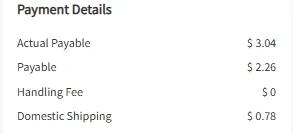
The first payment covers the item and its trip to the warehouse. It is usually small, and it is the one people budget for.
The second payment happens later, after the parcel is assembled, and it covers international shipping. On the demonstration order in the official screenshots the first bill was a few dollars and the second was several times larger. That ratio is normal for light, cheap goods and it is the single most common budgeting mistake.
Between those two payments sits the inspection step, which is exactly why the return window is drawn where it is: it closes while you still have the cheaper decision in front of you.
Four more pages, for the parts that do not fit a timeline
Choosing, terminology, help routes and a record of what has been re-checked. None of them are long.
- Choosing
How to pick an agent, and when to pick a different one
Every agent in this market runs the same basic loop, so the honest comparison is about the small print, not the pitch. That page also says plainly where this one is the wrong choice.
- Sellers
Reading a seller before you rely on their return badge
Repeat-buyer counts, dispatch promises and return badges are all visible before you order, and all of them shape what the warehouse will be able to do for you afterwards.
- Terms
QC, GL, RL and the rest of the shorthand
The vocabulary is borrowed from several places at once and used loosely. The help page defines the ones that change what you should do, and links the official article behind each.
- Record
What was re-checked, and when
Rules move. Every claim on this site carries the date it was last read against the official page, and the log says what changed between readings.
Four things people ask first
Does the warehouse check whether my item is genuine?
No. Two separate official pages say the same thing: staff can confirm the material and the category of an item, but cannot decide whether it is genuine or counterfeit. If a parcel is seized as counterfeit, the official wording puts that on the recipient, not on the agent.
Read the whole picture on what the check covers.
How many inspection photos do I get, and do they cost anything?
The product page states that free HD inspection photos are provided, three to seven of them. The warehouse listing we looked at on 2026-09-21 showed six thumbnails on the row. Extra or reshot images are a separate request, not part of that free set.
If the photos look fine and I say nothing, what happens?
Silence counts as approval. The inspection rules say that where nothing can be verified, for example when there is no obvious damage or contamination, it is assumed you and the seller have reached agreement. Nobody is waiting for your objection.
Can I still return an item after it has been packed and shipped?
The no-reason return route closes well before that. It runs from the moment the order status turns to stored in the warehouse and lasts five days, and the seller, not the agent, makes the final call. After the parcel leaves, you are in after-sales territory instead, with its own and much shorter clock.
Both are laid out on returns and who pays and signing for the parcel.